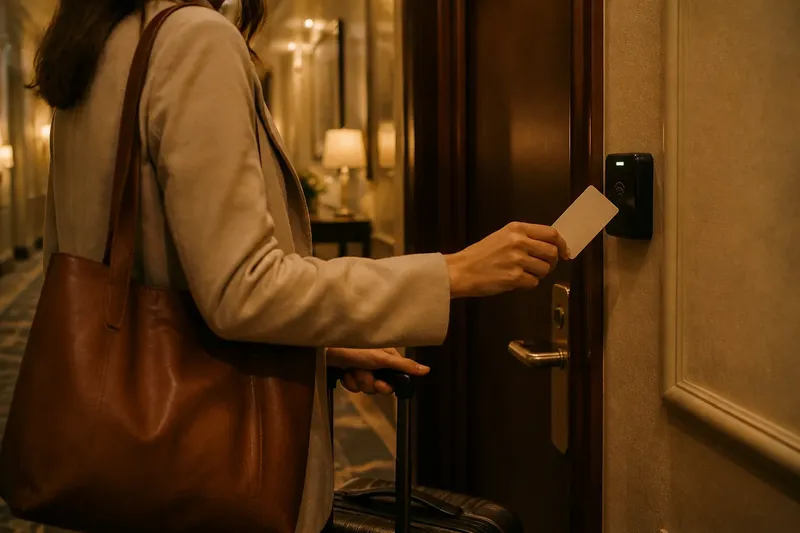
A Late Check-Out Morning, Without the Rush
A late check-out morning is easier with a calm sequence for sorting belongings, resetting the room, and leaving enough time to reach reception and depart.
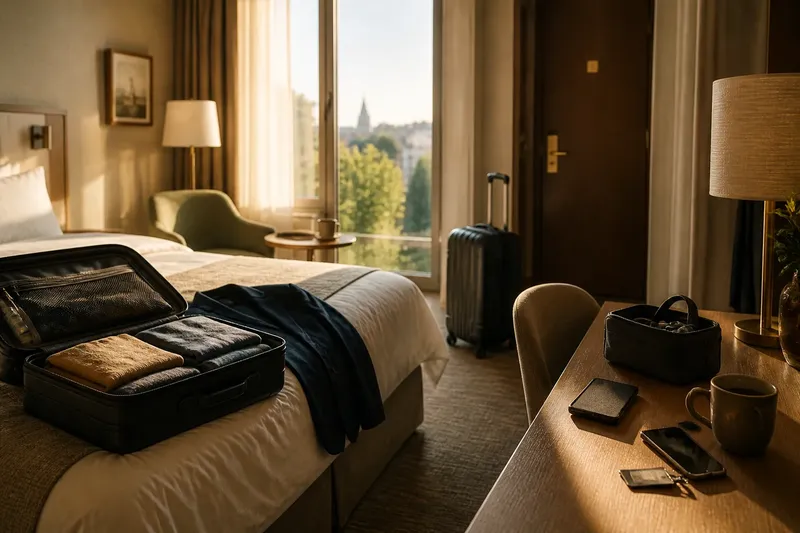
A late check-out morning works best when you treat the room as a temporary staging area, not a place to keep returning to for forgotten items. Sort what you need before dressing, leave the bathroom and bed clear as you go, and set a firm time to leave the room that comes before your actual check-out deadline.
That small buffer makes the last stretch feel less like a race. It also leaves space for ordinary delays, such as waiting for an elevator, asking reception to store a bag, or finding the right pickup point outside.
What should you confirm before the morning begins?
Check the agreed check-out time in your booking details or confirm it with reception. A late check-out is a specific arrangement, not an open-ended extension, so make sure you know when the room must be vacated and where you should return the key or key card.
Also ask whether you can leave bags after checking out and where to collect them. That lets you separate the room departure from the rest of your plans: you can clear the room on time without carrying every bag to breakfast or a nearby appointment.
Before bed, put the essentials for departure together in one visible place. A folded jacket beside your suitcase, a wallet on the desk, or a phone charging near the bag is easier to check than items scattered across the room. Keep medication, travel documents, and anything you need before leaving accessible rather than buried in luggage.
Decide what you will wear and whether you need to shower in the morning. If you plan to use the hotel’s bathroom after checking out, ask whether that is available instead of assuming you can return to the room.
How can you divide the morning into calm blocks?
Work backward from the time you need to leave the property, not just from the check-out deadline. Allow time for the journey to the station, airport, meeting, or car, then add a modest cushion for the walk through the hotel and any stop at reception. Your own route and plans determine the buffer; there is no single interval that fits every stay.
Once you know your departure target, divide the morning into three blocks: personal time, packing and room reset, then the move to reception or the exit. Give the first block a clear end point. For example, finish breakfast or a quiet coffee before opening the suitcase, so you are not trying to eat while searching for chargers.
Keep the room-reset block short by deciding in advance what belongs in each place. Clean clothing goes in the suitcase, laundry goes in its own bag, and items you will use on the way out stay near the door. This is easier than packing in several rounds, each of which can pull you back into the room after you think you are finished.
Say you have a late check-out and need to meet a car outside the hotel. You decide to finish breakfast first, pack everything except your phone and jacket, then do one final sweep before returning the key card. The likely result is a clear moment when the room is done, with only the items in your hands left to collect.
How do you sort belongings without unpacking everything?
Start with the places where small items disappear: bedside tables, desk edges, bathroom shelves, and the area around the outlets. Unplug your charger only when you are ready to pack it, then put the cable straight into the pouch or pocket where you keep travel electronics. A loose cable left on the desk is easy to overlook when the rest of the room is already packed.
Use the suitcase as the main container and a small tote or laundry bag as a separate one. Keep dirty clothes apart from clean items, and put damp toiletries in a closed wash bag rather than beside clothing. If you have fragile purchases or papers, place them where they will not be crushed by shoes or a toiletry kit.
Check the hotel wardrobe and safe deliberately. Look behind hanging clothes, on the shelf above the rail, and in any drawer you opened. If you used a room safe, retrieve its contents and leave the door open after checking it; an open door makes it easier to see that the compartment is empty.
Do not repack the whole suitcase just to make every fold look neat. A compressed, orderly case is not worth the extra handling if you are trying to leave calmly. Focus on keeping liquids closed, separating laundry, and securing the items you cannot afford to leave behind.
What should you leave in order before walking out?
A room does not need to look untouched. The useful goal is to make departure straightforward for you and leave the space in a considerate, ordinary state. Put used towels together in one place, gather rubbish into a bin, and return movable furniture or a chair to a sensible position if you shifted it.
Check the bathroom after packing. Look at the shower ledge, sink, towel hooks, and the space behind the door for toiletries or clothing. Wipe up a spill you caused if it is simple to do with the supplies already provided, but do not turn check-out into a cleaning project.
Keep hotel property where it belongs. Leave remote controls, hangers, and room information in the room, and return the key or card as the hotel directs. If something is damaged or not working, tell reception rather than trying to hide it or fix it yourself.
Lower the chance of a last-minute search by making one final pass in a fixed direction: bathroom, bedside, desk, wardrobe, safe, then door area. This is not a deep inspection. It is a way to check the locations where personal items tend to remain after the suitcase is closed.
What should you do if your departure plan changes?
If breakfast runs long or your ride is delayed, contact reception before your agreed check-out time. Ask what options are available, including a later room departure or bag storage. Do not assume that a quiet hallway or an unanswered request extends permission to stay in the room.
If the room deadline cannot move, prioritize getting yourself and your belongings out first. You can finish organizing a bag in a lobby seating area, at a café, or wherever the hotel says guests may wait. Keep passports, medication, keys, and devices with you rather than sending them with stored luggage.
For a delayed pickup, ask the front desk where the driver should meet you and whether there is a sheltered place to wait. If you are using a taxi or rideshare, confirm the hotel entrance or pickup point in the app or with staff; a large property may have more than one door, and the main entrance is not always the easiest place to stop.
What do guests often ask about a late check-out morning?
Can you leave the room before the late check-out time?
Yes. The agreed time is a latest departure point, not a requirement to stay in the room until then. Leaving earlier can make it easier to reach a transport connection or spend the remaining time elsewhere in the hotel.
Can you leave luggage at the hotel after checking out?
Many hotels offer a place to store bags, but the arrangement varies. Ask reception where the bags will be held and how to retrieve them, then keep essential documents, medication, and valuables with you.
Should you strip the bed or take out the trash?
There is no need to strip the bed or carry rubbish through the hotel unless staff have specifically asked you to do so. Gather towels and place rubbish in the room’s bin; leave other housekeeping tasks to the hotel team.
What if you think you left something behind?
Tell reception as soon as you notice, and describe the item and the room you occupied. If you have already left, contact the hotel directly and provide enough detail for staff to identify the stay without sharing unnecessary personal information.
How can you make the final check feel complete?
At the door, pause with your bags and look back once. Confirm that your phone, wallet, travel documents, medication, and outerwear are with you; then check the bathroom and safe only if you have not already included them in your sweep. Avoid starting a second full search unless something specific is missing, since repeated checking can create more doubt than clarity.
Take the key card to reception, settle any open questions, and ask for directions to your next stop if you need them. If the hotel offers luggage storage, follow its process before leaving the desk so the bags do not become an afterthought.
A late check-out morning is calmer when the room is finished before the clock feels urgent. Keep the last hour for leaving, not for discovering what still needs sorting, and your departure can feel like a clear handoff rather than a scramble.
One small habit helps on future stays: before you leave any room, look once at the outlets and once at the place where you set down your travel documents. Those two quick checks are more useful than trying to remember every surface you passed during the morning.